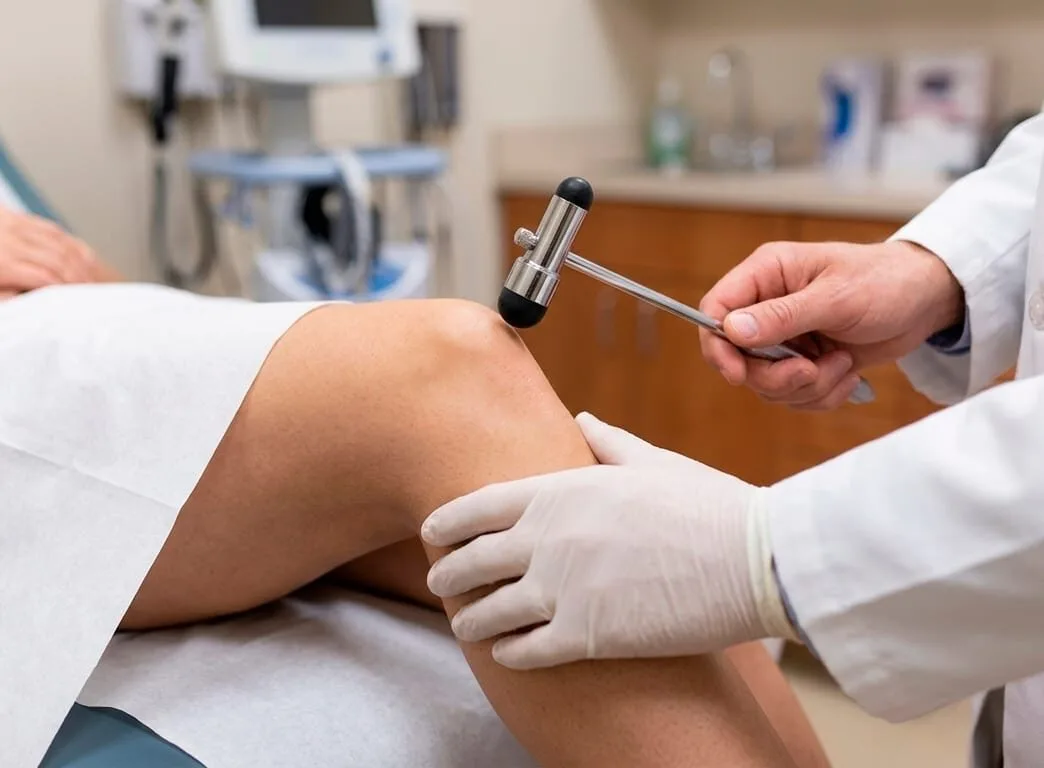
The essential tool for medical diagnostics
Buck hammer, a tool for diagnosing muscle contraction reflexes and skin sensitivity.

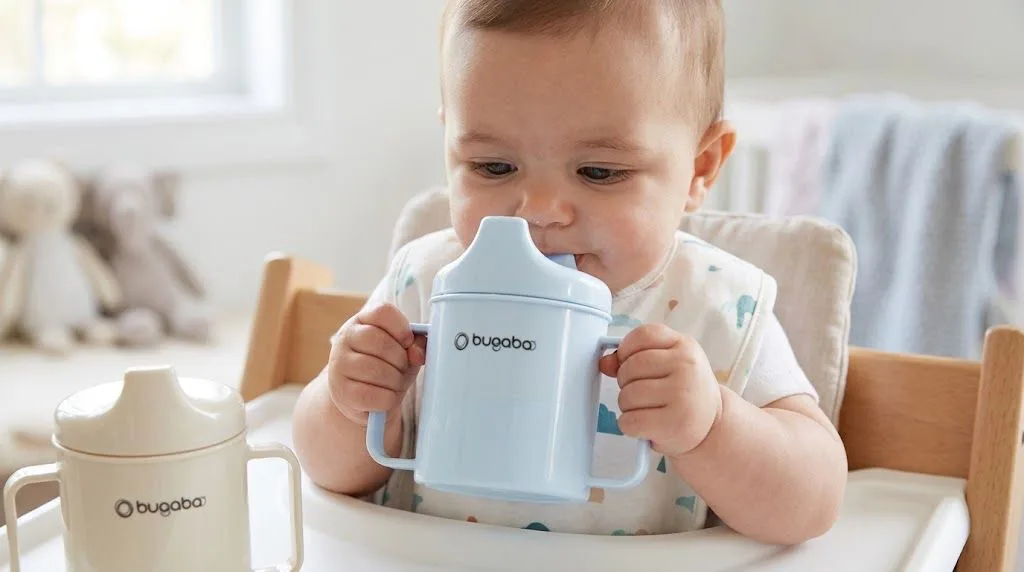
Companies are currently seeking a balance between promoting their brand, maximising profit and ensuring the promotional item has a long useful life. This benefits the environment and also strengthens the bond between the brand and the customer.
We are aware that the trend is towards more responsible consumption. Our approach is to provide promotional gifts that, as well as serving their promotional purpose, are useful to customers. We seek out and offer gifts that your customers can use on a daily basis. The range of practical and durable products we offer is mainly related to medicine, veterinary science, pharmacy and cosmetics.
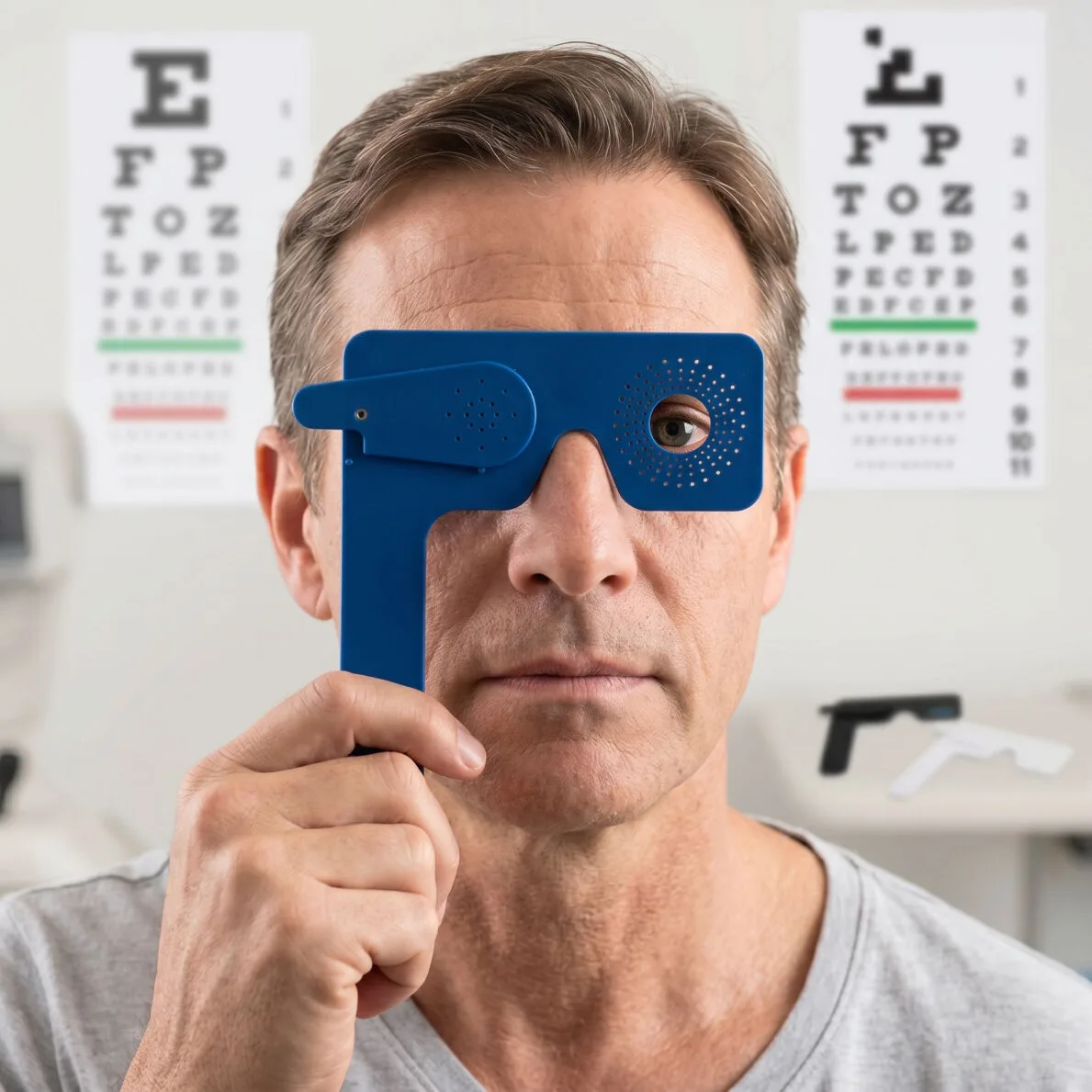
A high percentage of our products are manufactured in Spain and Europe, rather than being imported from far away. In doing so, we aim to deliver significant environmental benefits, in line with a circular economy. This «zero-kilometre» strategy reduces our ecological footprint. Long-distance freight transport generates huge amounts of CO₂ emissions. Manufacturing in Europe is not just a business decision, but a commitment to a more responsible, sustainable and ethical future.
We want to continue supporting local production because it brings benefits that make a real difference:
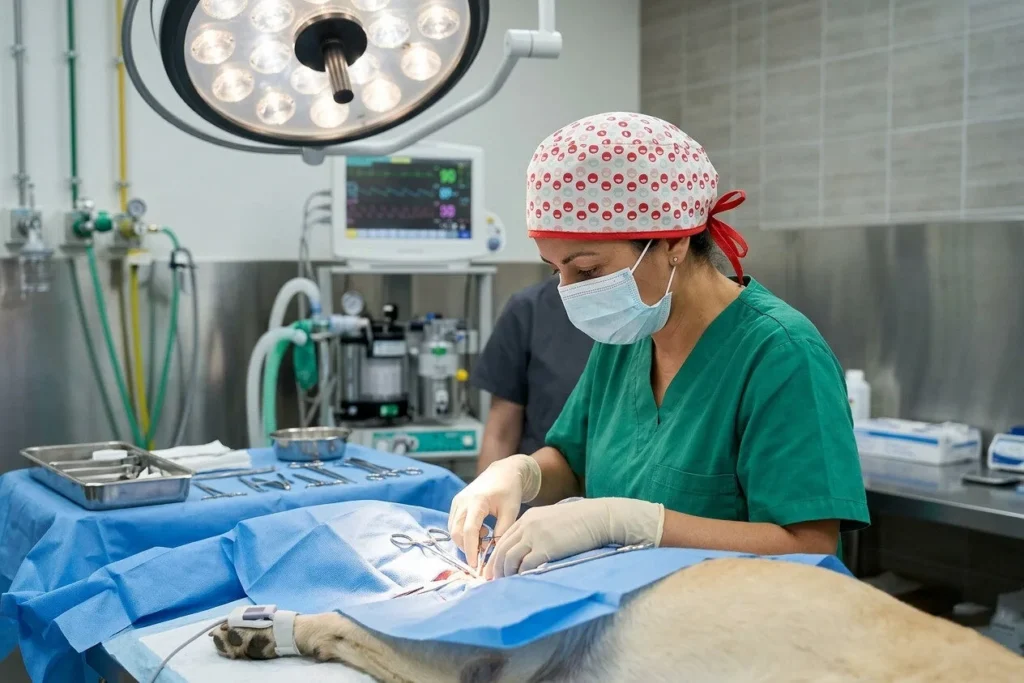
Committing to production in Europe means not only improving product quality, but also building a future where sustainability, ethics and innovation go hand in hand.